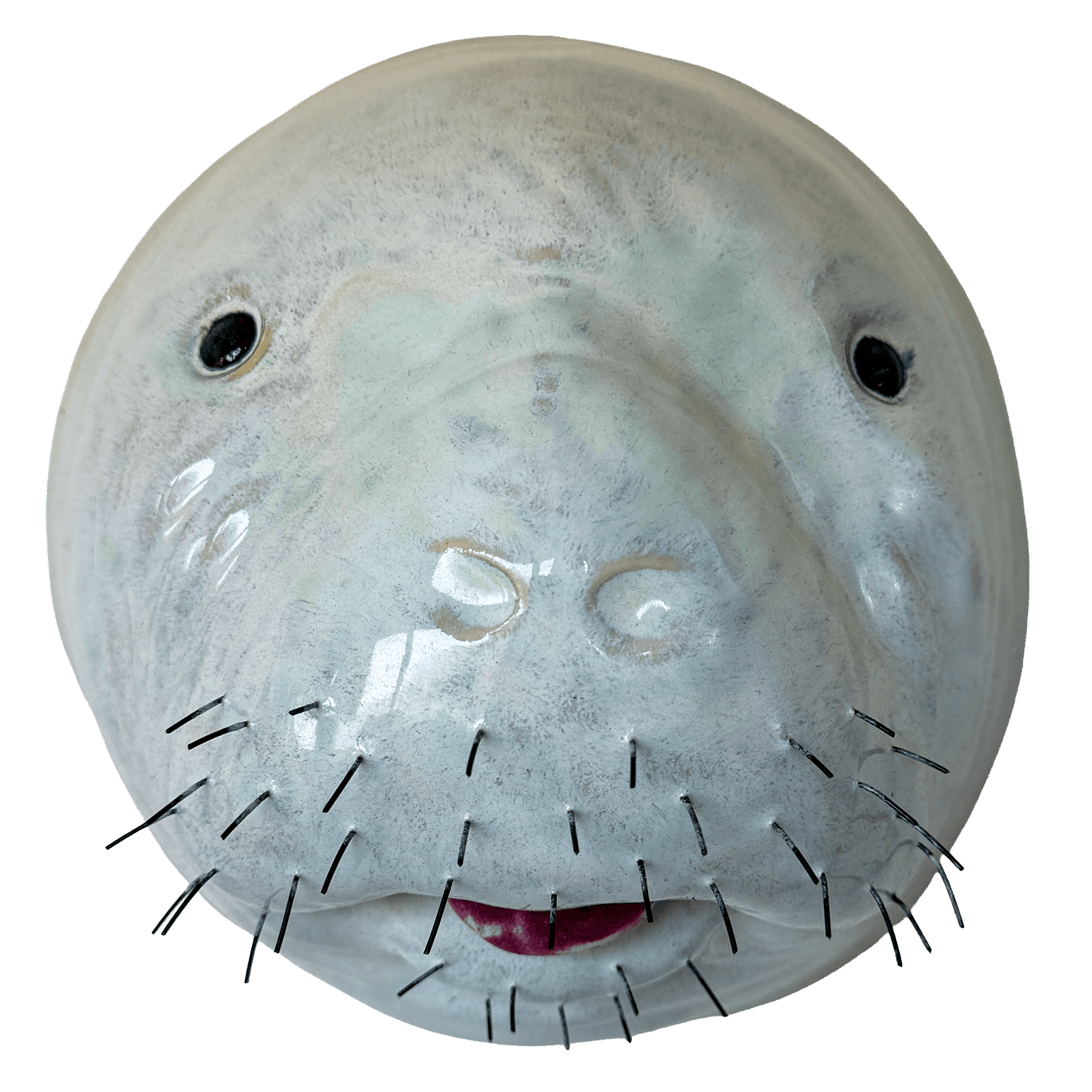
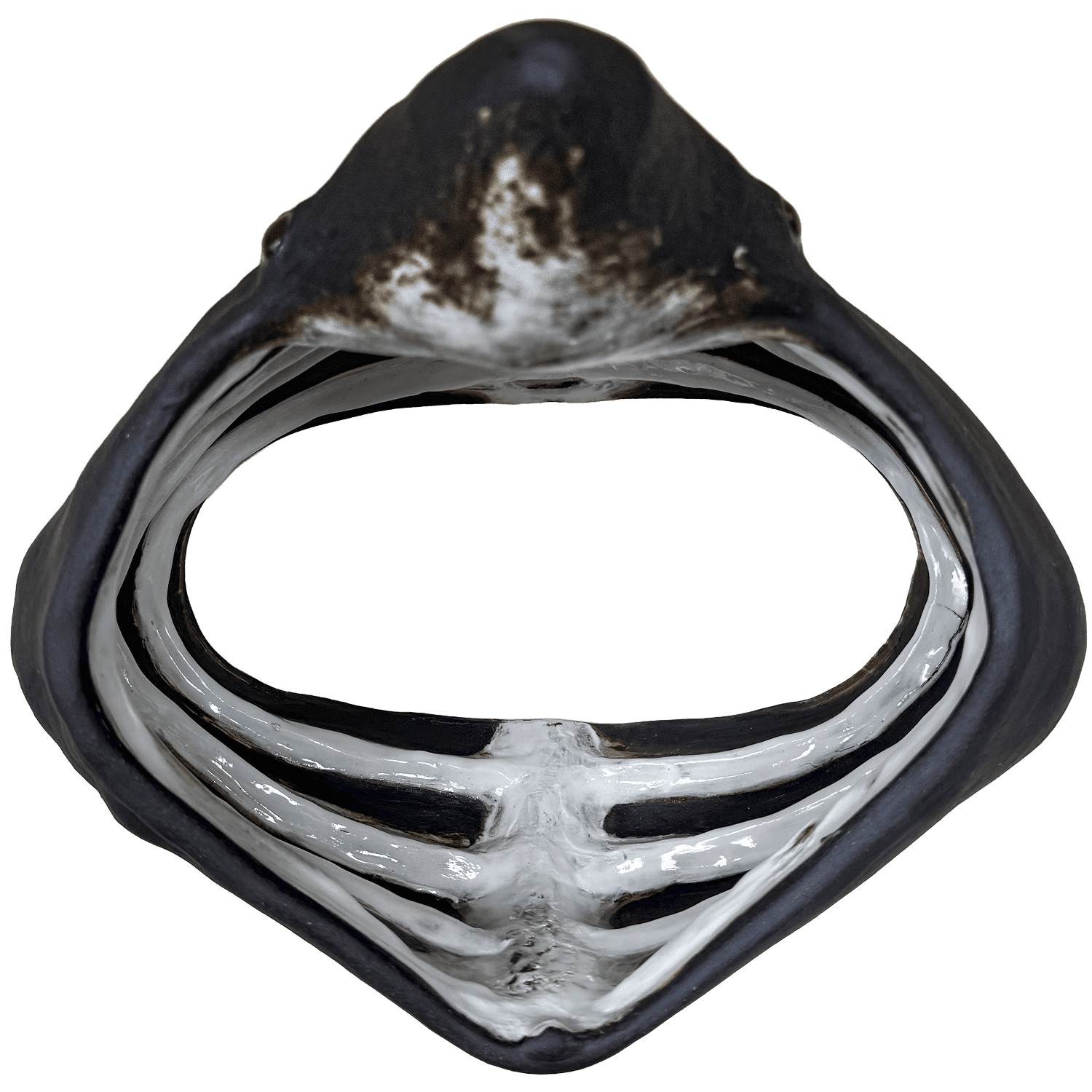
Whale shark
Whale shark
Rhincodon typus

Habitat
They inhabit warm tropical and subtropical oceans, often appearing near the surface where plankton is abundant. Their migrations remain largely mysterious.

Quick Bio
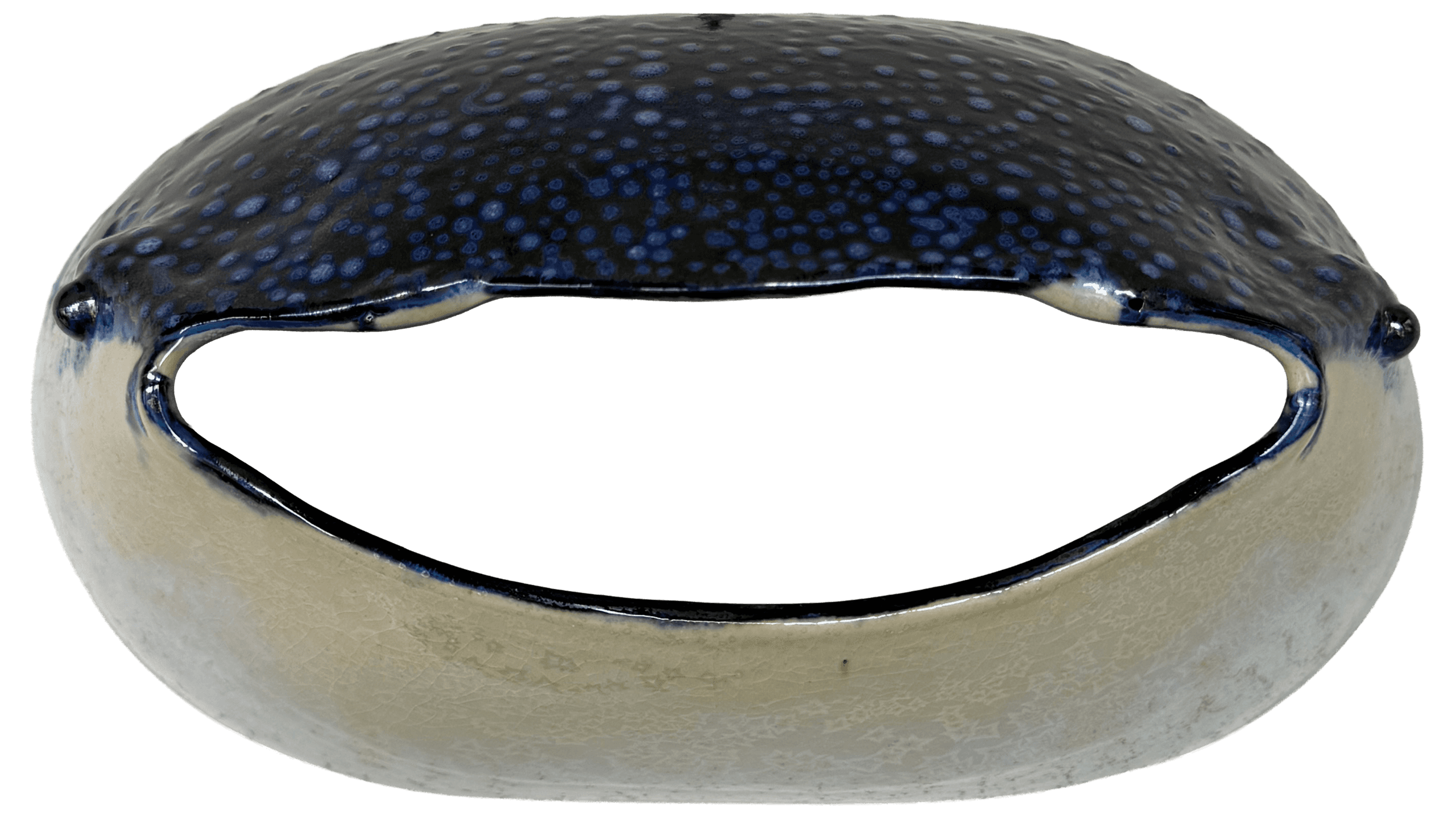
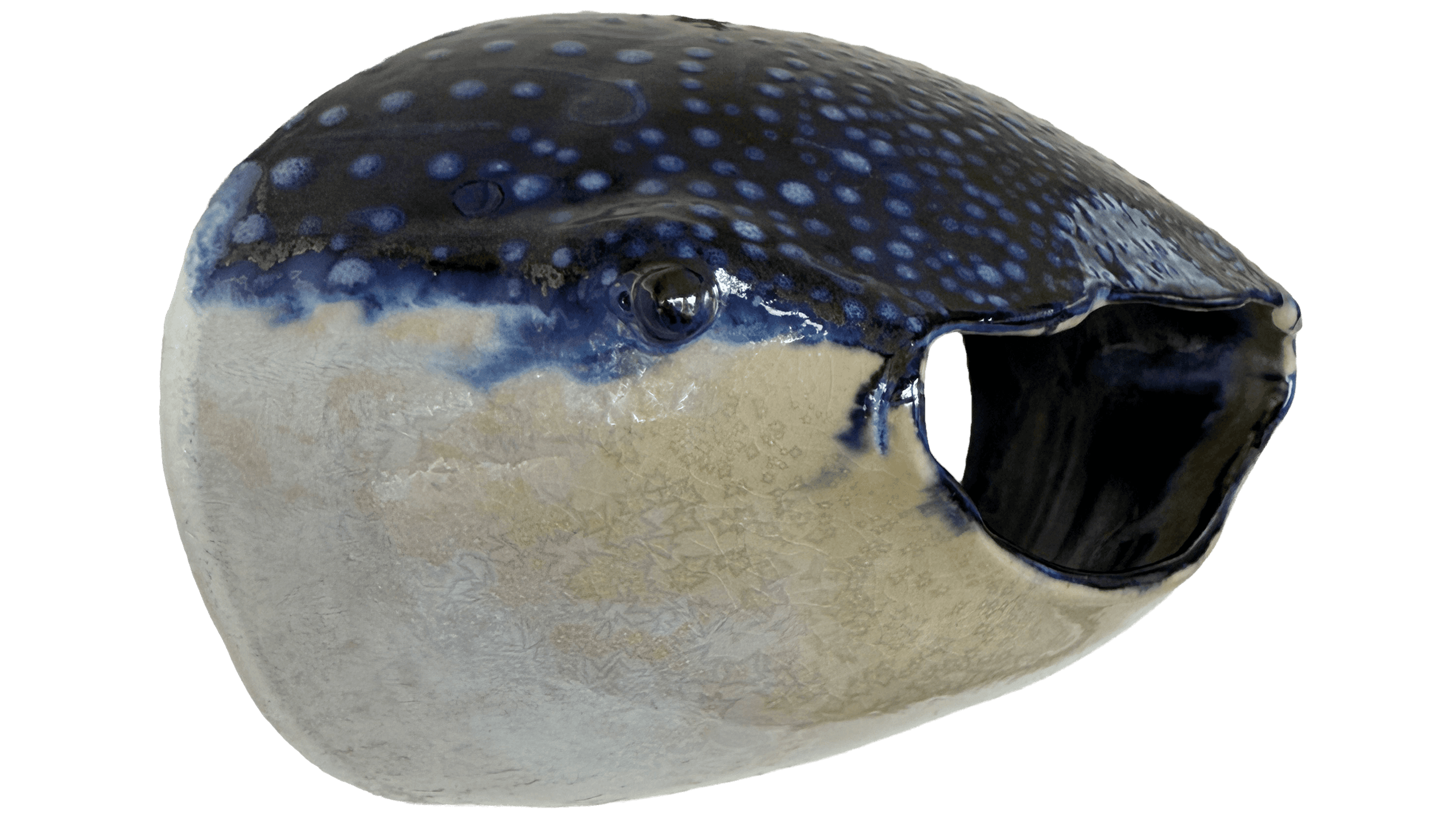
These fish are enormous, slow-moving with wide mouths and distinctive white spot patterns. They are filter feeders, swimming steadily through warm oceans to consume plankton and small prey.

Diet
They filter-feed on plankton, small fish, and eggs by swimming with their mouths open. Water flows over specialized filter pads that trap food.

Behavior
Whale sharks move slowly and steadily, conserving energy as they travel vast distances. They are typically solitary, though they sometimes gather where food is plentiful.

Fun Fact
Whale sharks have tiny teeth on their eyeballs called dermal denticles. They probably help protect their eyes?

Vibe
Majestic, serene, and surprisingly approachable for a true giant of the ocean.
Quick Bio
These fish are enormous, slow-moving with wide mouths and distinctive white spot patterns. They are filter feeders, swimming steadily through warm oceans to consume plankton and small prey.
Habitat
They inhabit warm tropical and subtropical oceans, often appearing near the surface where plankton is abundant. Their migrations remain largely mysterious.
Diet
They filter-feed on plankton, small fish, and eggs by swimming with their mouths open. Water flows over specialized filter pads that trap food.
Behavior
Whale sharks move slowly and steadily, conserving energy as they travel vast distances. They are typically solitary, though they sometimes gather where food is plentiful.
Fun Fact
Whale sharks have tiny teeth on their eyeballs called dermal denticles. They probably help protect their eyes?
Vibe
Majestic, serene, and surprisingly approachable for a true giant of the ocean.
Quick Bio
These fish are enormous, slow-moving with wide mouths and distinctive white spot patterns. They are filter feeders, swimming steadily through warm oceans to consume plankton and small prey.
Habitat
They inhabit warm tropical and subtropical oceans, often appearing near the surface where plankton is abundant. Their migrations remain largely mysterious.

Diet
They filter-feed on plankton, small fish, and eggs by swimming with their mouths open. Water flows over specialized filter pads that trap food.
Behavior
Whale sharks move slowly and steadily, conserving energy as they travel vast distances. They are typically solitary, though they sometimes gather where food is plentiful.
Fun Fact
Whale sharks have tiny teeth on their eyeballs called dermal denticles. They probably help protect their eyes?
Vibe
Majestic, serene, and surprisingly approachable for a true giant of the ocean.
Quiz time
Why is it called a whale shark?
Why is it called a whale shark?
Why is it called a whale shark?