Pacific spiny lumpsucker
Pacific spiny lumpsucker
Pacific spiny lumpsucker
Eumicrotremus orbis

Habitat
They live in cold Pacific waters, often near rocky shores, kelp forests, and floating debris.

Quick Bio
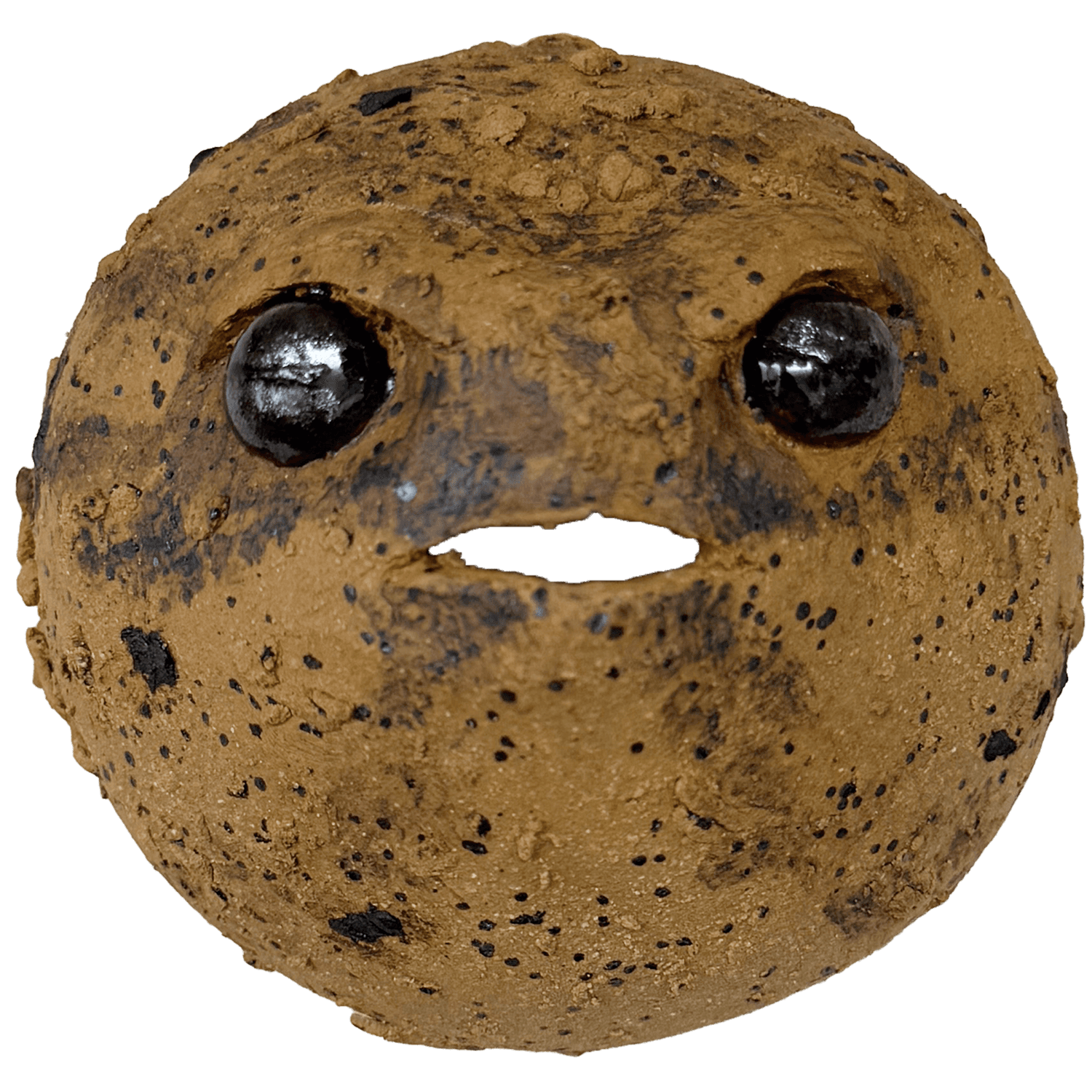
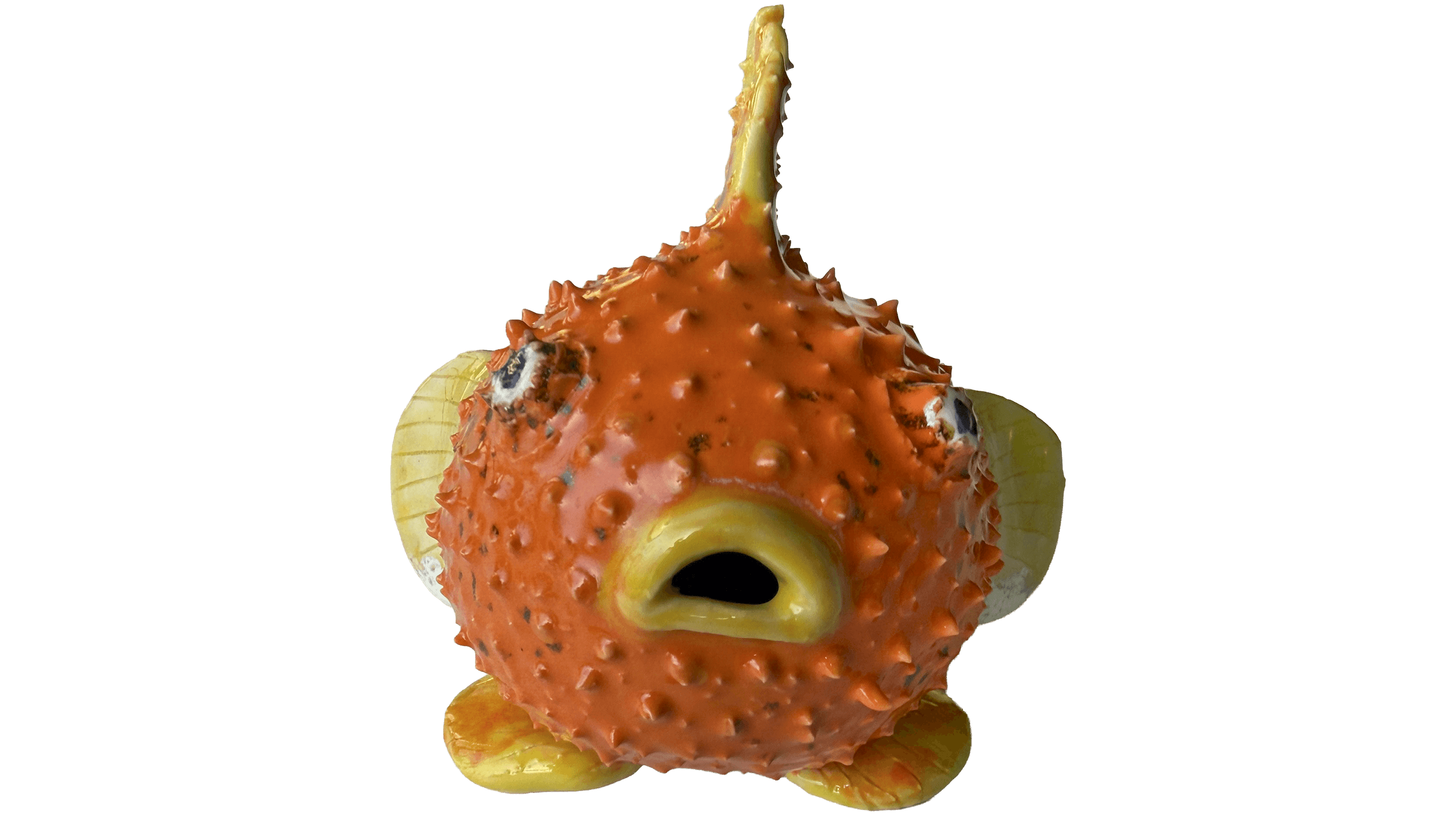
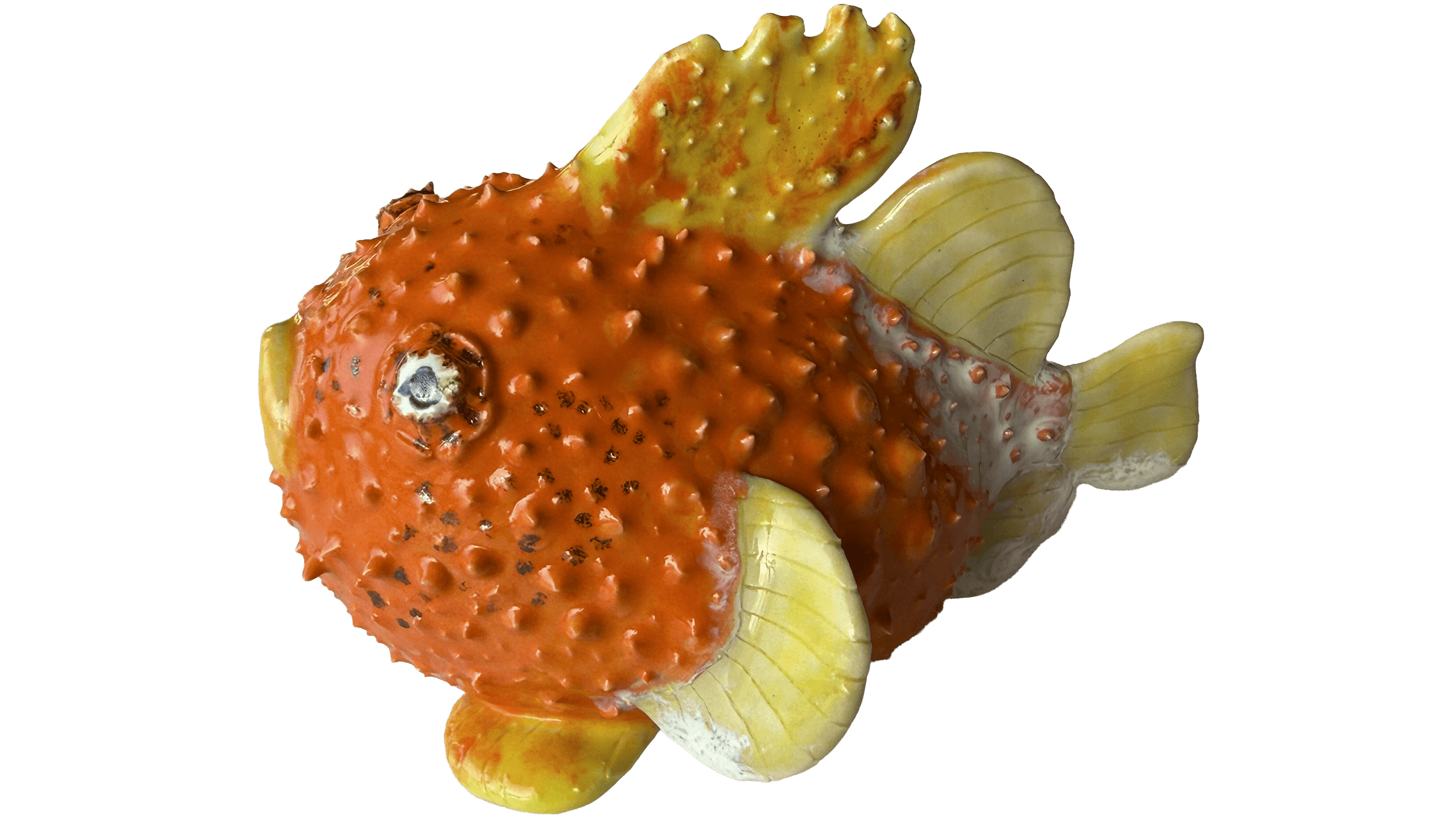
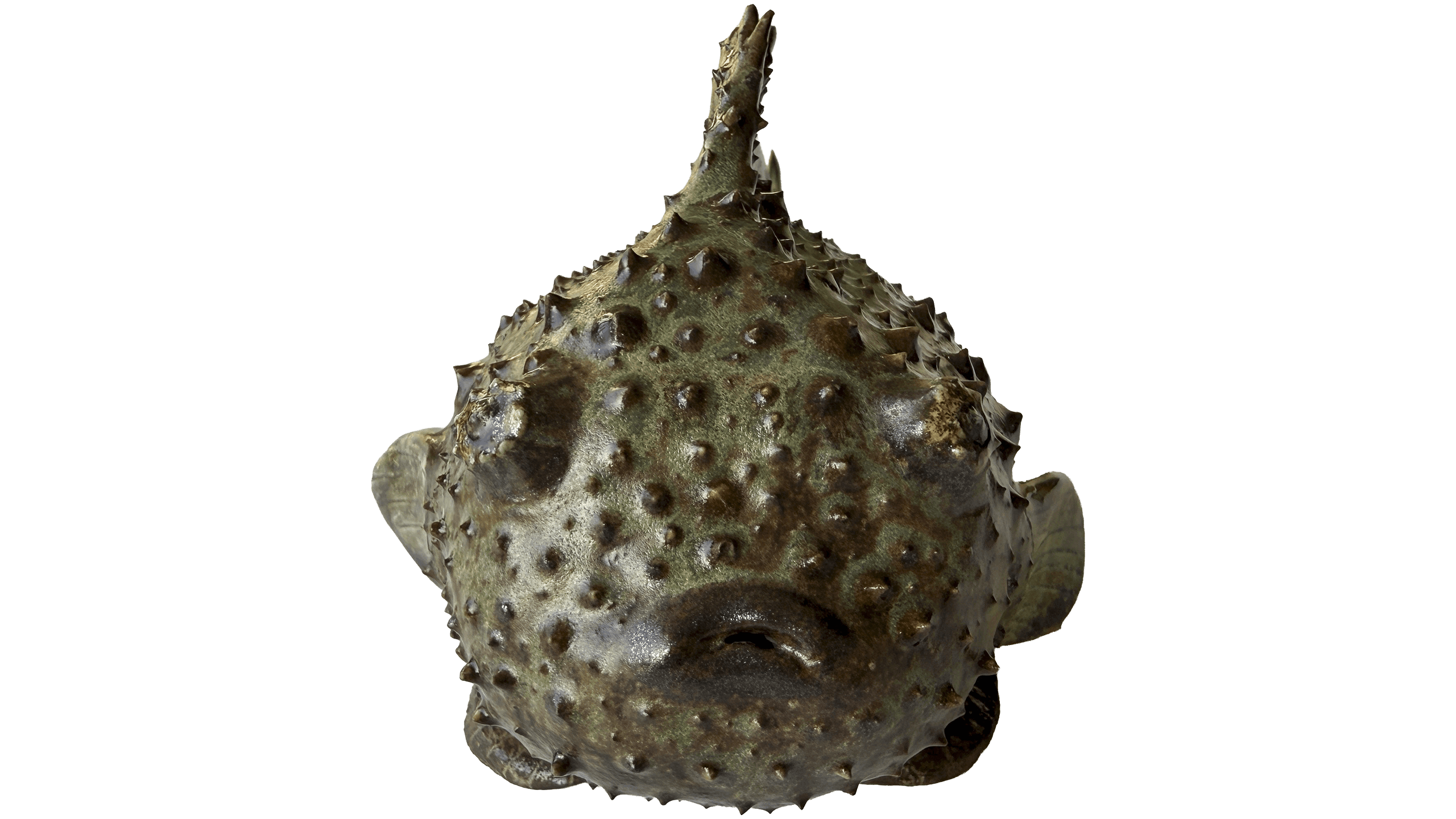
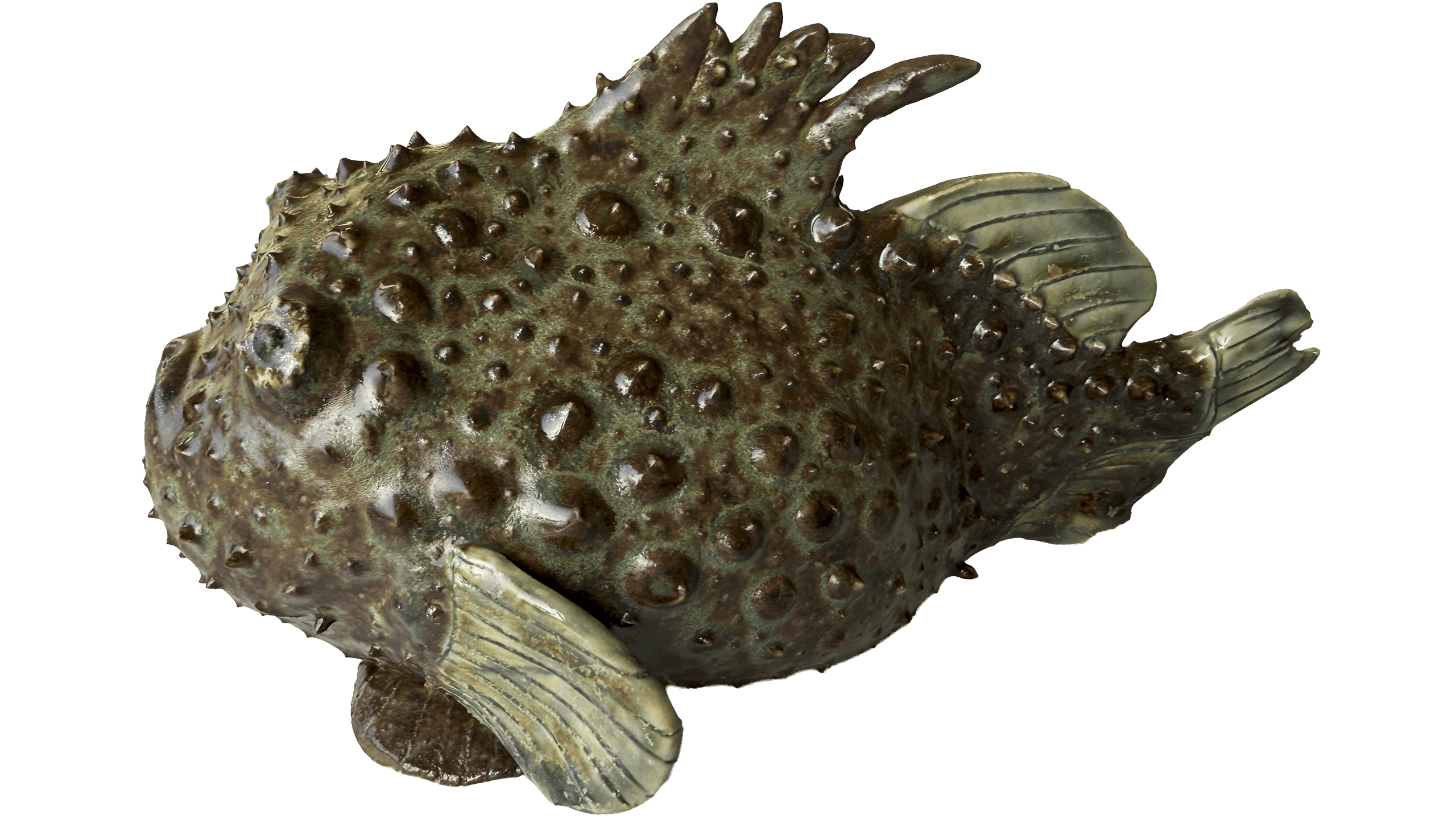
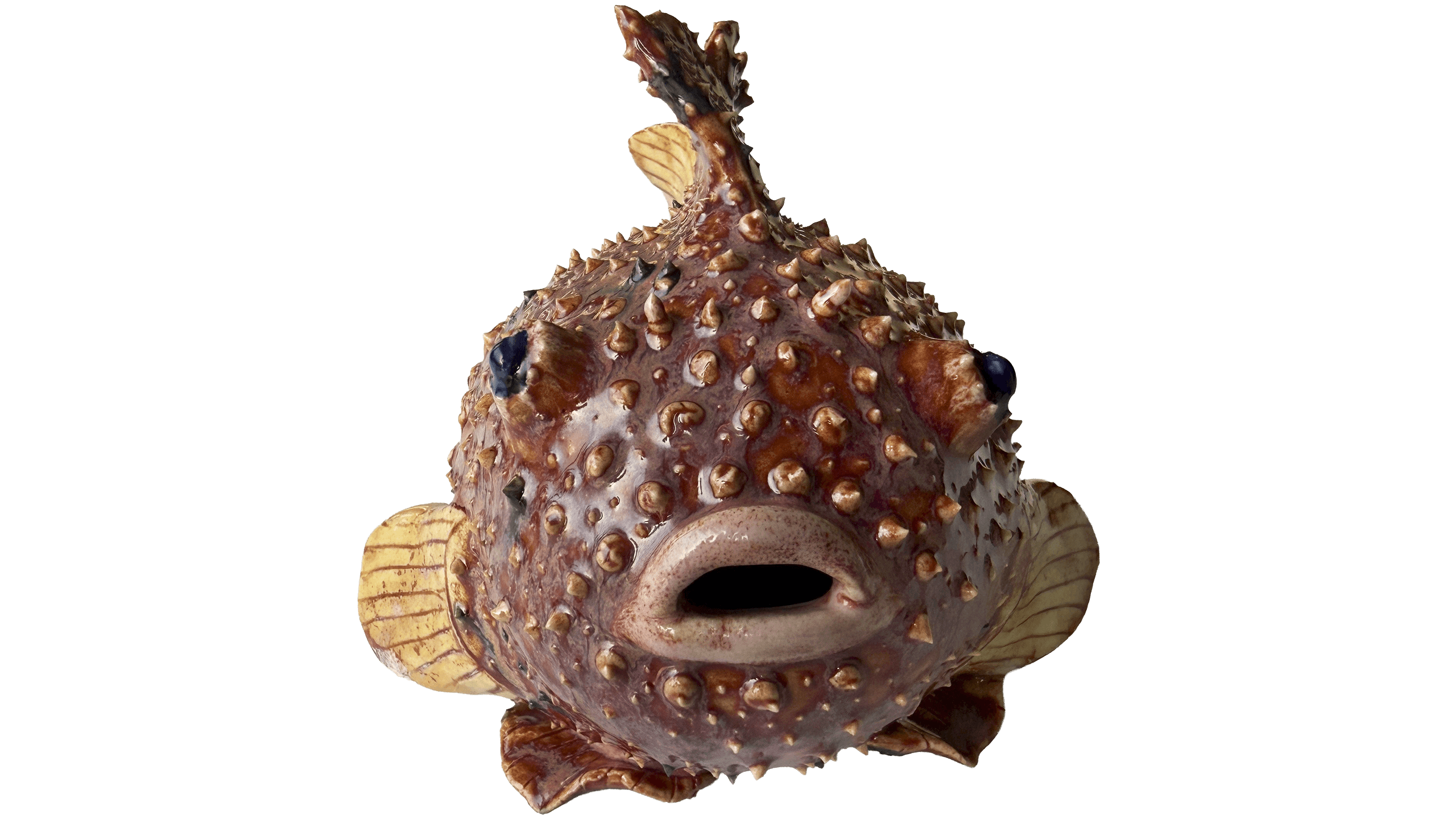
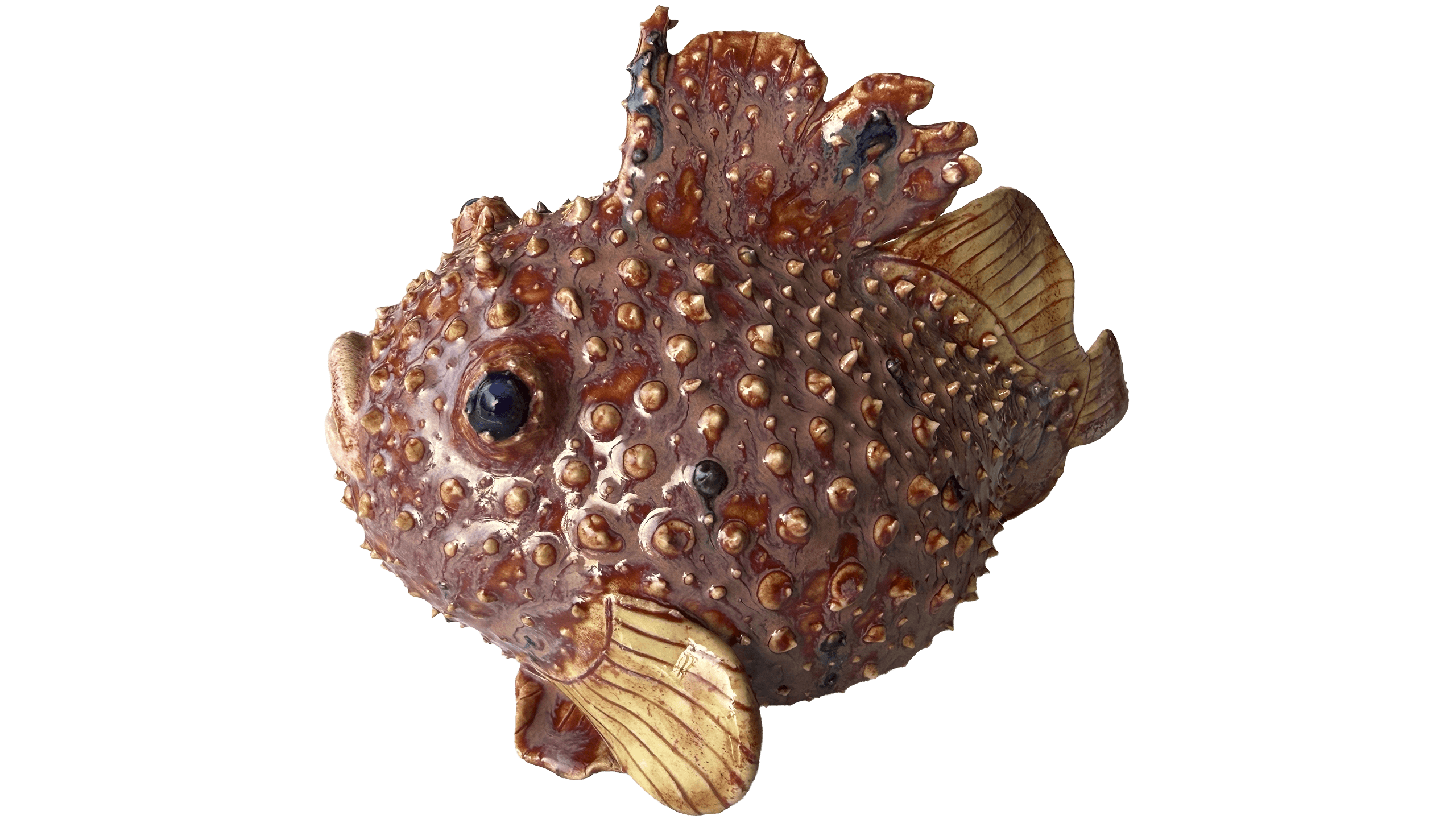
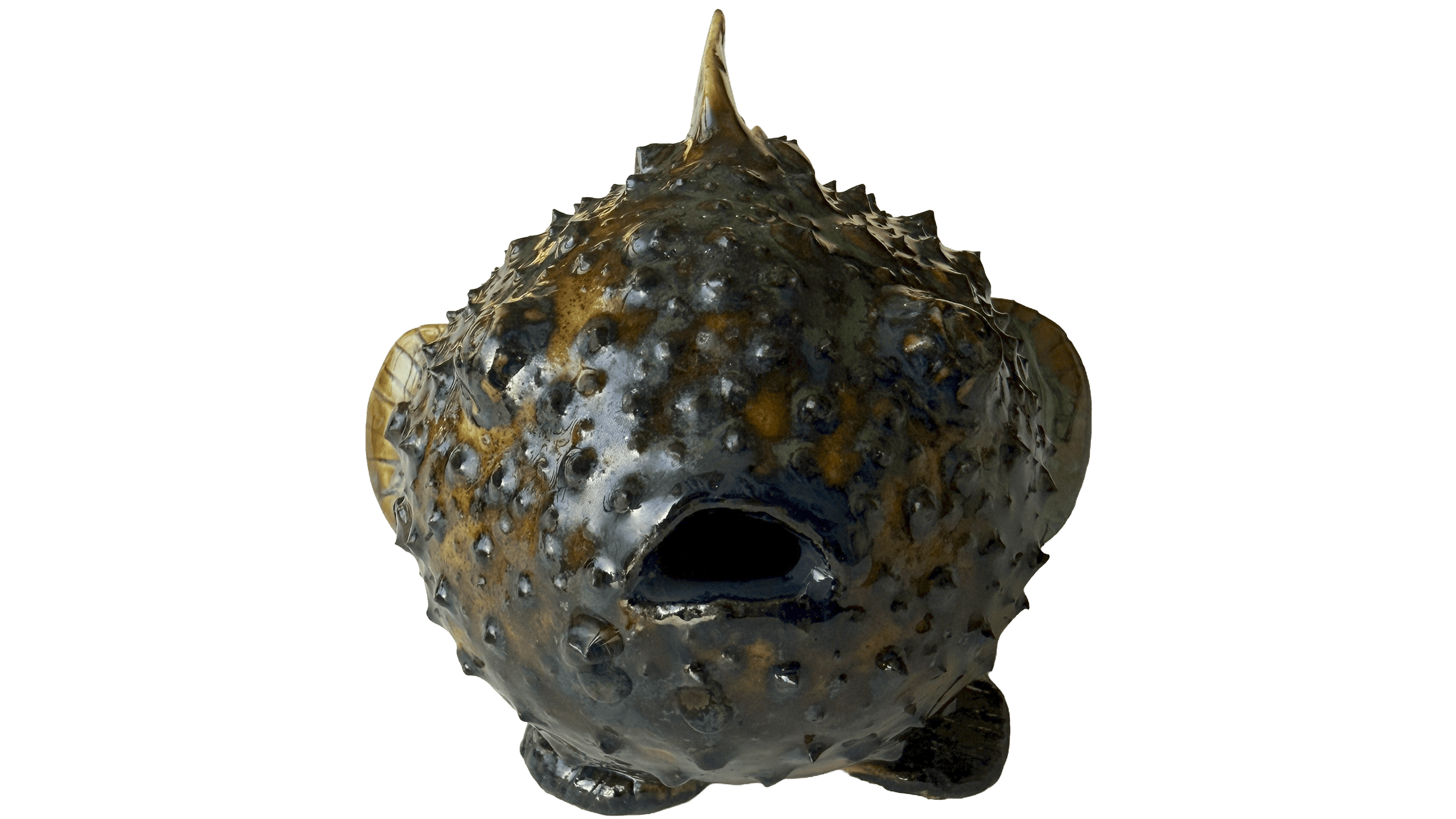
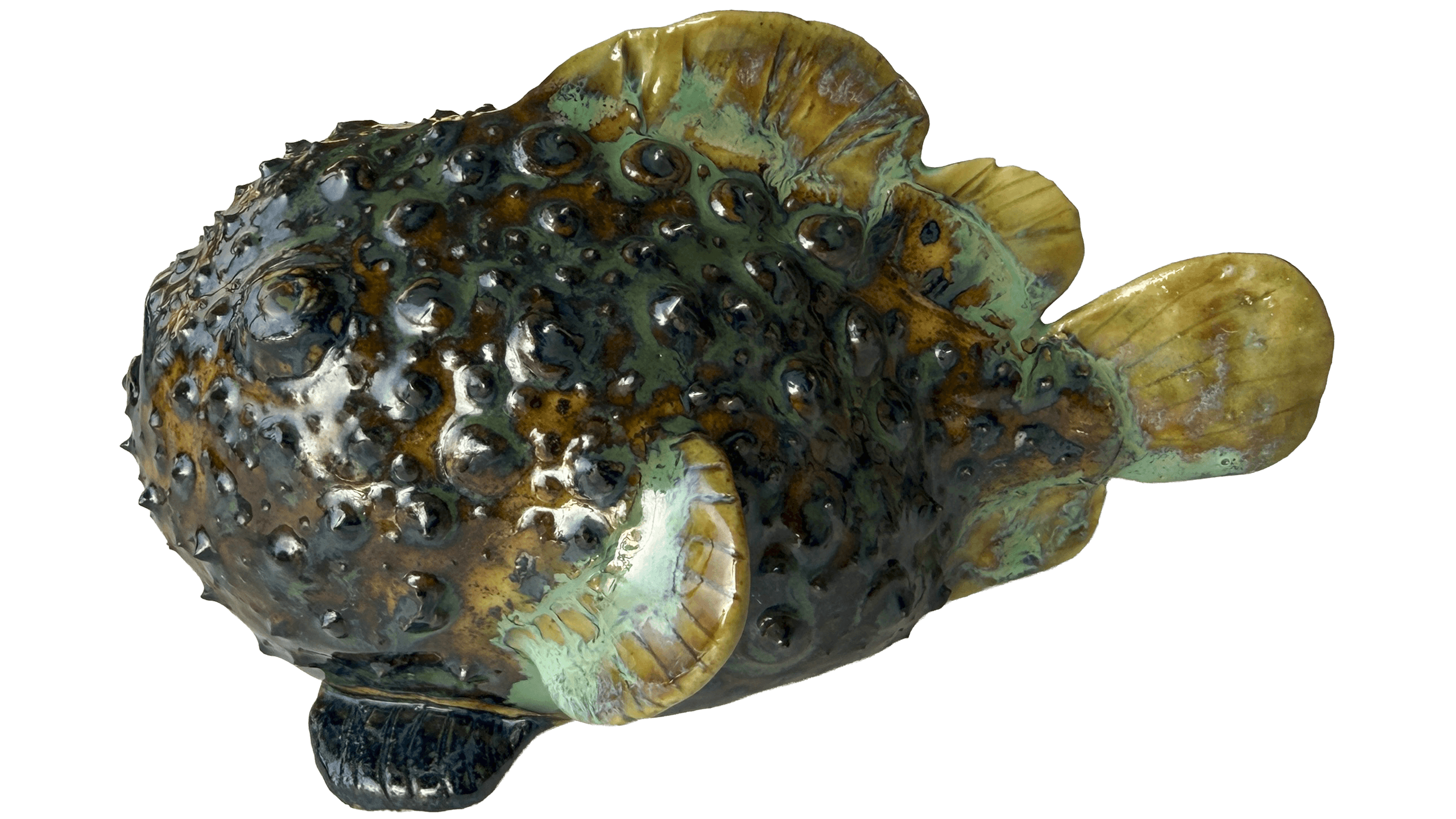
Pacific spiny lumpsuckers are small, round-bodied fish covered in bony tubercles and short spines. They have a suction-cup disk on their underside formed from modified fins.

Diet
They feed on slow, small invertebrates, including crustaceans and worms, picking prey from surfaces.

Behavior
Poor swimmers, they rely on their suction disk to cling to rocks, kelp, or other objects to avoid drifting away.

Fun Fact
Male Pacific spiny lumpsuckers secretly glow red under UV light, matching the fluorescent algae around their nests — a rare trick shared by very few fish on Earth.

Vibe
Round, sticky, and doing its absolute best in a world built for better swimmers.
Quick Bio
Pacific spiny lumpsuckers are small, round-bodied fish covered in bony tubercles and short spines. They have a suction-cup disk on their underside formed from modified fins.
Habitat
They live in cold Pacific waters, often near rocky shores, kelp forests, and floating debris.
Diet
They feed on slow, small invertebrates, including crustaceans and worms, picking prey from surfaces.
Behavior
Poor swimmers, they rely on their suction disk to cling to rocks, kelp, or other objects to avoid drifting away.
Fun Fact
Male Pacific spiny lumpsuckers secretly glow red under UV light, matching the fluorescent algae around their nests — a rare trick shared by very few fish on Earth.
Vibe
Round, sticky, and doing its absolute best in a world built for better swimmers.
Quick Bio
Pacific spiny lumpsuckers are small, round-bodied fish covered in bony tubercles and short spines. They have a suction-cup disk on their underside formed from modified fins.
Habitat
They live in cold Pacific waters, often near rocky shores, kelp forests, and floating debris.
Diet
They feed on slow, small invertebrates, including crustaceans and worms, picking prey from surfaces.
Behavior
Poor swimmers, they rely on their suction disk to cling to rocks, kelp, or other objects to avoid drifting away.
Fun Fact
Male Pacific spiny lumpsuckers secretly glow red under UV light, matching the fluorescent algae around their nests — a rare trick shared by very few fish on Earth.
Vibe
Round, sticky, and doing its absolute best in a world built for better swimmers.
Quiz time
What body part gives the lumpsucker its name?
What body part gives the lumpsucker its name?
What body part gives the lumpsucker its name?