Capybara
Capybara
Hydrochoerus hydrochaeris



Habitat
They live near rivers, lakes, and wetlands throughout South America. Access to water is essential for both feeding and safety.

Quick Bio
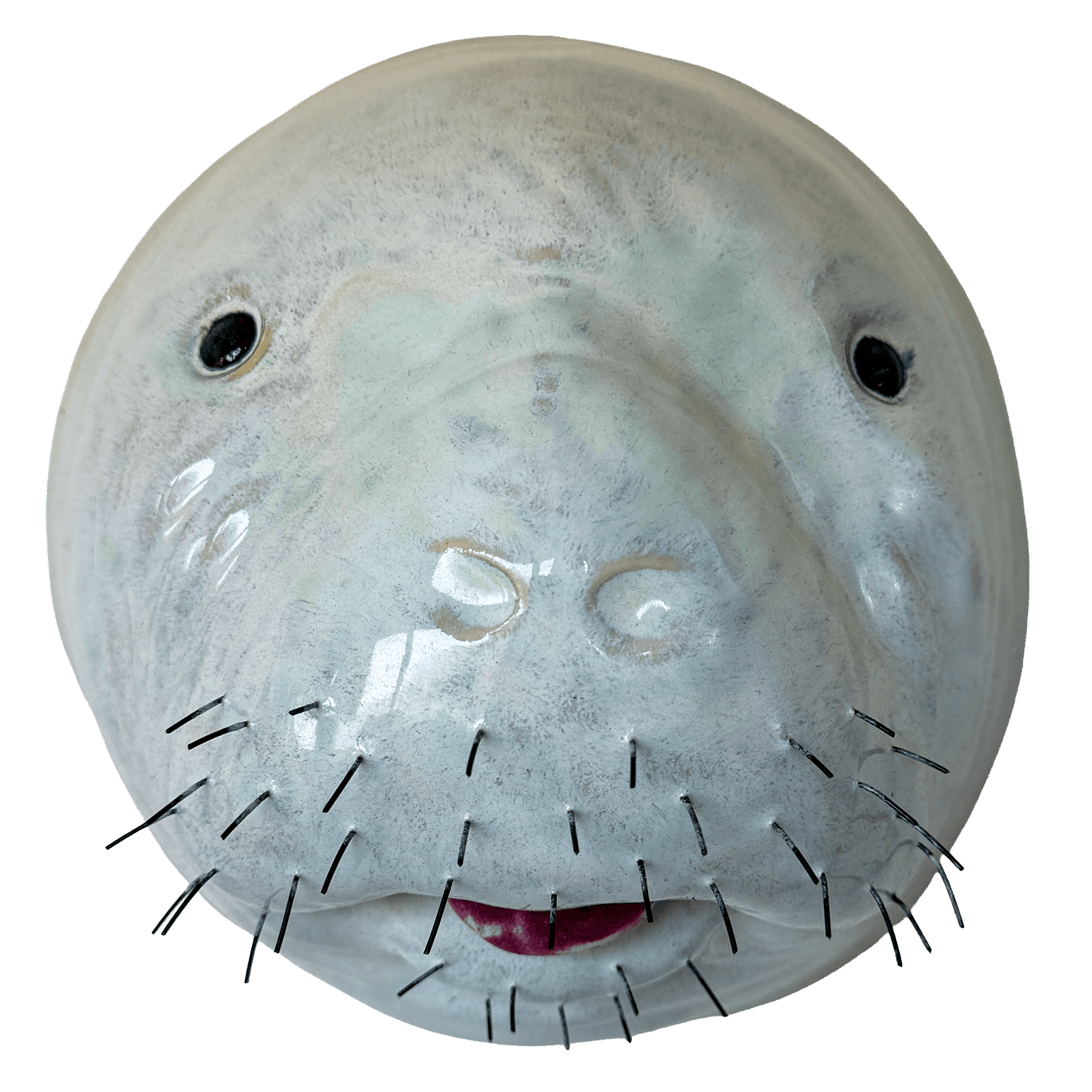
Capybaras are the largest rodents in the world, with barrel-shaped bodies, short legs, and partially webbed feet. They are semi-aquatic and closely tied to water.

Diet
They live near rivers, lakes, and wetlands throughout South America. Access to water is essential for both feeding and safety.

Behavior
Highly social, they live in groups that can range from a few individuals to several dozen. They are strong swimmers and often enter water to escape danger.

Fun Fact
Capybaras are known to tolerate other animals sitting, standing, or lounging on them with remarkable patience.

Vibe
Unbothered, universally trusted, and always available as furniture.
Quick Bio
Capybaras are the largest rodents in the world, with barrel-shaped bodies, short legs, and partially webbed feet. They are semi-aquatic and closely tied to water.
Habitat
They live near rivers, lakes, and wetlands throughout South America. Access to water is essential for both feeding and safety.
Diet
They live near rivers, lakes, and wetlands throughout South America. Access to water is essential for both feeding and safety.
Behavior
Highly social, they live in groups that can range from a few individuals to several dozen. They are strong swimmers and often enter water to escape danger.
Fun Fact
Capybaras are known to tolerate other animals sitting, standing, or lounging on them with remarkable patience.
Vibe
Unbothered, universally trusted, and always available as furniture.
Quick Bio
Capybaras are the largest rodents in the world, with barrel-shaped bodies, short legs, and partially webbed feet. They are semi-aquatic and closely tied to water.
Habitat
They live near rivers, lakes, and wetlands throughout South America. Access to water is essential for both feeding and safety.
Diet
Capybaras eat grasses and aquatic plants, grazing for long periods each day. Their teeth grow continuously to handle constant wear.
Behavior
Highly social, they live in groups that can range from a few individuals to several dozen. They are strong swimmers and often enter water to escape danger.
Fun Fact
Capybaras are known to tolerate other animals sitting, standing, or lounging on them with remarkable patience.
Vibe
Unbothered, universally trusted, and always available as furniture.
Quiz time
Where are capybara native to?
Where are capybara native to?
Where are capybara native to?