Tapir
Tapir
Tapiridae

Habitat
They live in dense forests and wetlands in Central and South America and Southeast Asia, staying close to water.

Quick Bio
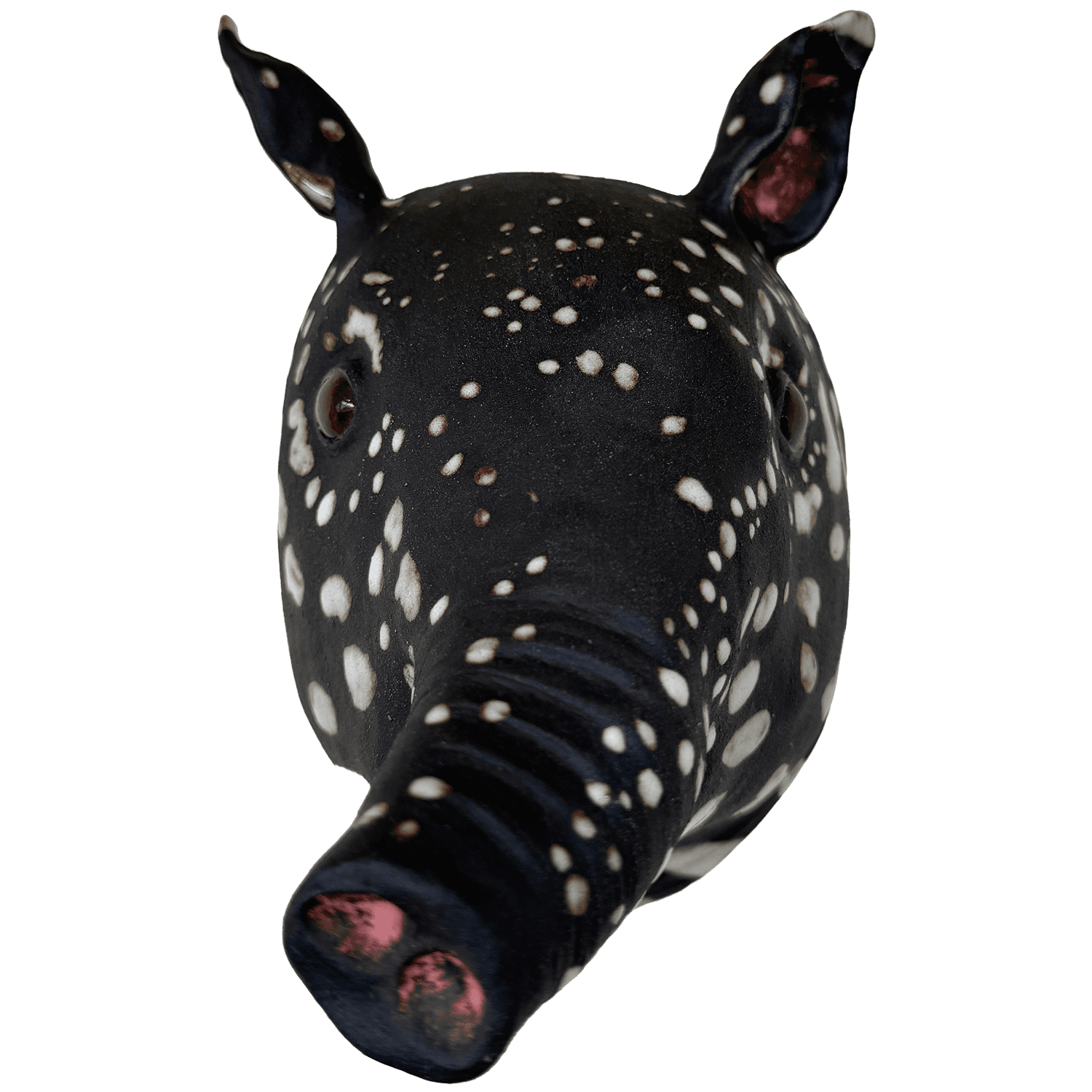
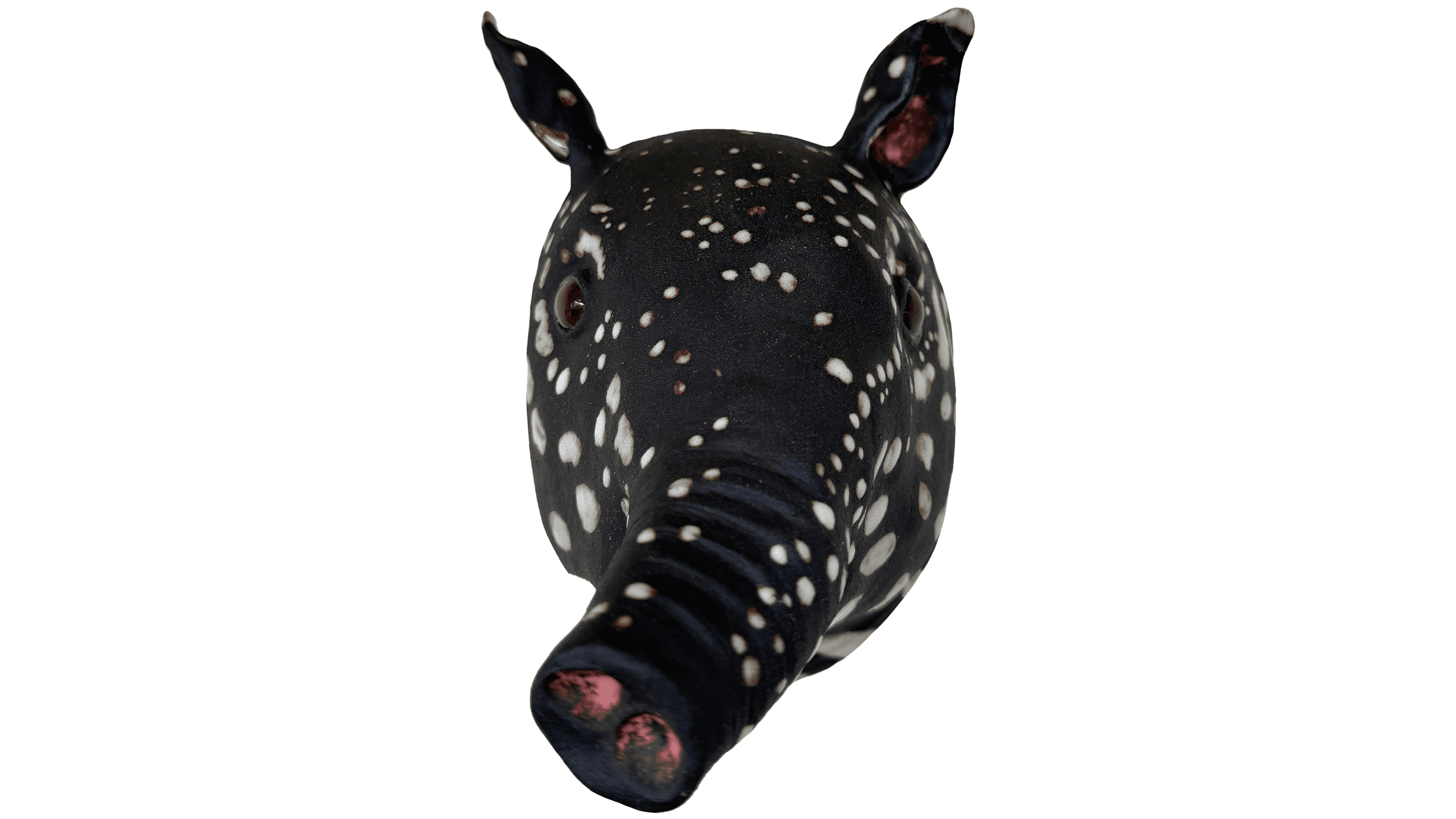
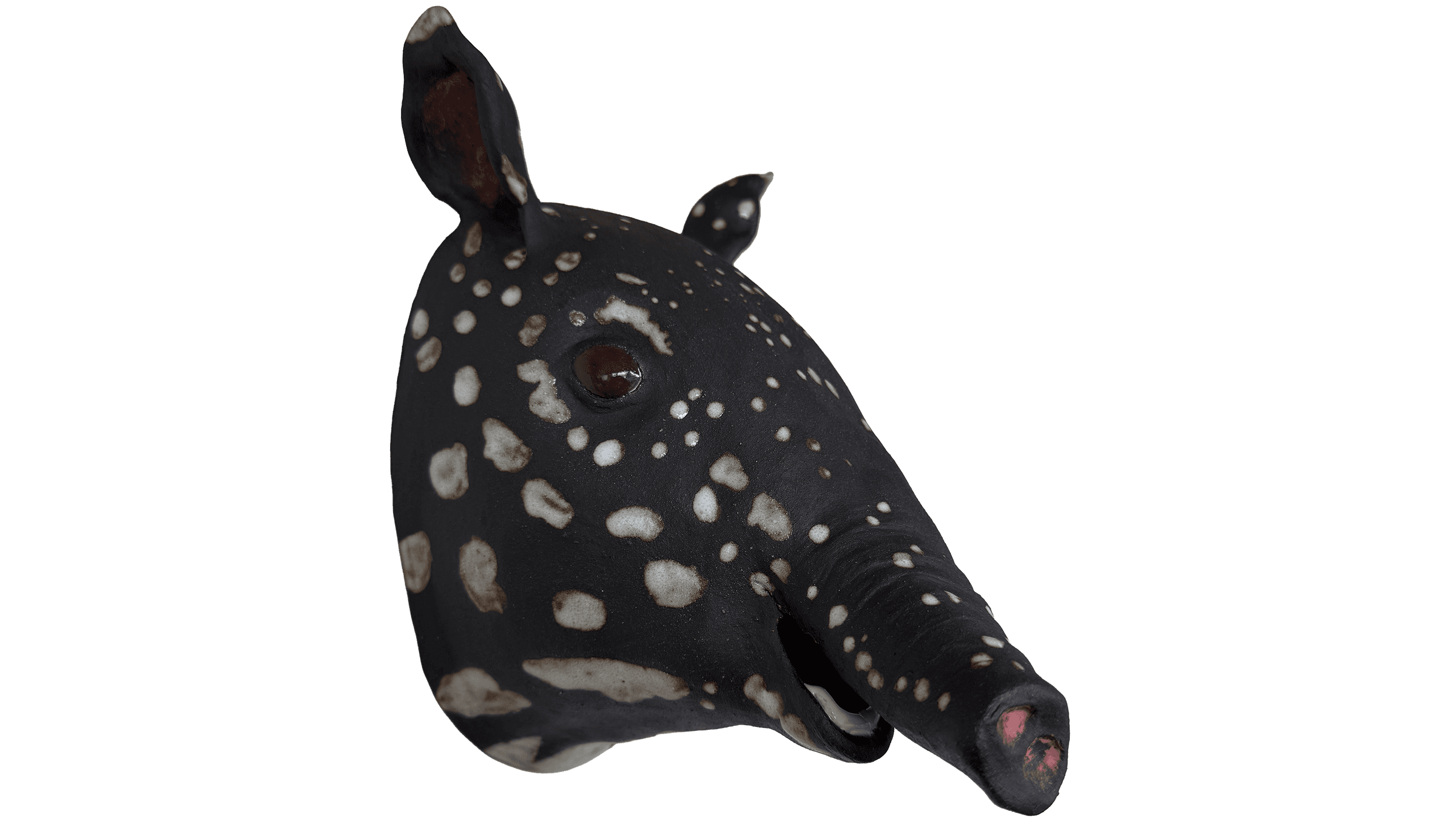
Tapirs are large, thick-bodied mammals with short legs and a flexible snout formed from the nose and upper lip. Though unusual in appearance, they are closely related to horses and rhinoceroses.

Diet
Tapirs eat leaves, fruit, and aquatic plants, browsing quietly through vegetation.

Behavior
Mostly nocturnal and solitary, they are strong swimmers and often escape predators by diving into rivers.

Fun Fact
Baby tapirs are born with striped and spotted coats that act as camouflage, making them look like walking forest shadows.

Vibe
Gentle, prehistoric, and slightly out of time.
Quick Bio
Tapirs are large, thick-bodied mammals with short legs and a flexible snout formed from the nose and upper lip. Though unusual in appearance, they are closely related to horses and rhinoceroses.
Habitat
They live in dense forests and wetlands in Central and South America and Southeast Asia, staying close to water.
Diet
Tapirs eat leaves, fruit, and aquatic plants, browsing quietly through vegetation.
Behavior
Mostly nocturnal and solitary, they are strong swimmers and often escape predators by diving into rivers.
Fun Fact
Baby tapirs are born with striped and spotted coats that act as camouflage, making them look like walking forest shadows.
Vibe
Gentle, prehistoric, and slightly out of time.
Quick Bio
Tapirs are large, thick-bodied mammals with short legs and a flexible snout formed from the nose and upper lip. Though unusual in appearance, they are closely related to horses and rhinoceroses.
Habitat
They live in dense forests and wetlands in Central and South America and Southeast Asia, staying close to water.
Diet
Tapirs eat leaves, fruit, and aquatic plants, browsing quietly through vegetation.
Behavior
Mostly nocturnal and solitary, they are strong swimmers and often escape predators by diving into rivers.
Fun Fact
Baby tapirs are born with striped and spotted coats that act as camouflage, making them look like walking forest shadows.
Vibe
Gentle, prehistoric, and slightly out of time.
Quiz time
What is a tapir most closely related to?
What is a tapir most closely related to?
What is a tapir most closely related to?